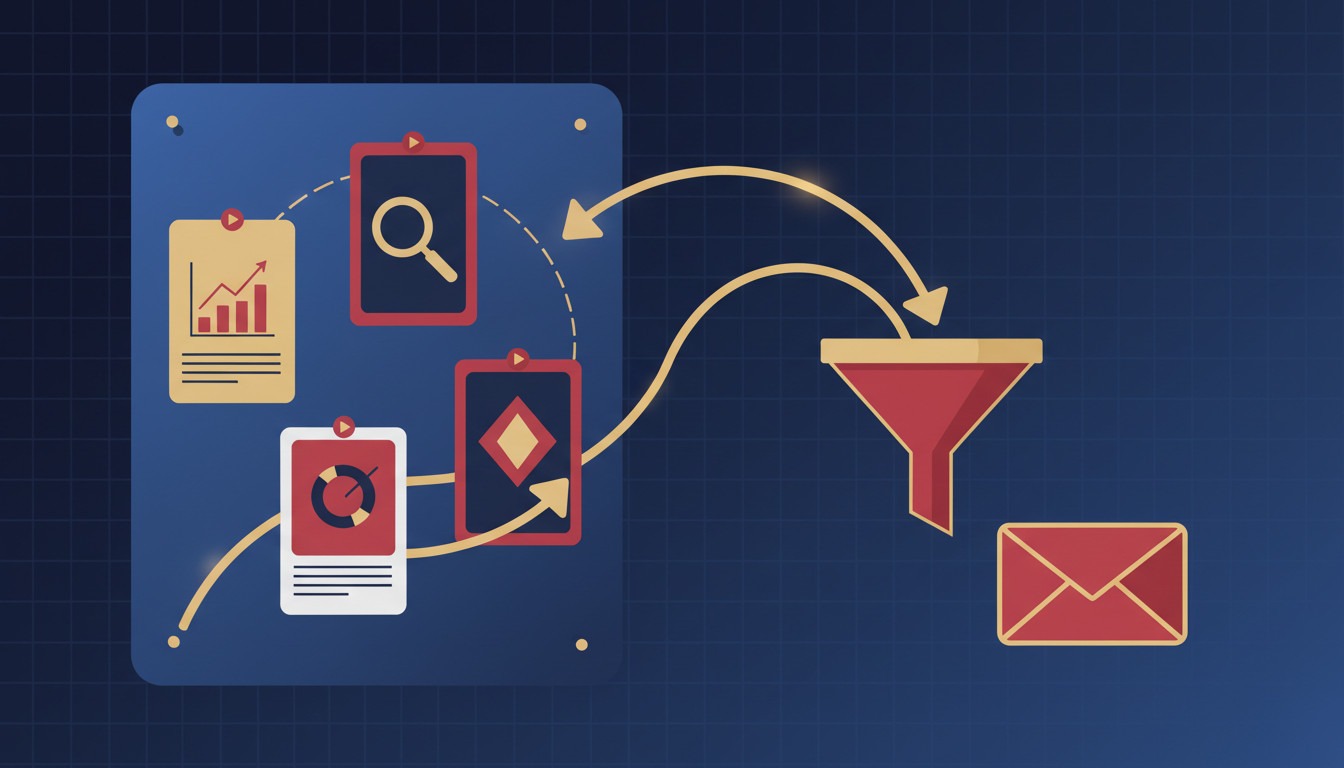
Pinterest is a powerful platform for driving traffic to affiliate offers. With its unique search engine capabilities, Pinterest can serve as a consistent source of traffic, making it an essential tool for affiliate marketers. Understanding how to use it effectively can make a significant difference in your results.
→ Pinterest is a search engine, not a social network. Pins keep sending traffic for months, not hours.
→ Affiliate-friendly: you can build funnels to opt-in pages and bridge pages that convert cold Pinterest traffic.
→ Idea Pins hype is over; standard image pins with strong text overlays and keyworded descriptions are winning again.
→ Consistency beats volume: 3–5 quality pins daily outperforms 50-pin dumps.
→ The whole workflow is automatable, which is exactly why we’re building PinDominator.
While everyone fights for attention on X and TikTok, Pinterest quietly does something unique for affiliates. It keeps sending traffic to the same pin for months, sometimes years.
I’m Benjamin Hübner from IM Dominator. We’ve been testing Pinterest traffic for our affiliate funnels. The results convinced us enough that we’re building our own automation tool for it (more on that at the end). Here’s what’s actually working right now.
Find this useful? Add us as a preferred source on Google and more of what we publish will show up in your results.
Why Does Pinterest Outperform Social Media for Affiliates?
Pinterest is a visual search engine. People go there with intent. They are planning a purchase, learning a skill, or solving a problem. That’s buyer psychology, not scroll psychology.
The practical consequence is significant. A pin ranking for “how to start affiliate marketing” behaves like a Google result, not a tweet. It compounds. Your pin from March can still deliver clicks in November. This compounding effect is crucial. It allows affiliates to build a library of pins that continuously attract traffic over time. This is unlike social media posts that quickly fade into obscurity. For instance, a well-optimized pin can continue to generate traffic for months. This allows you to focus on creating new content instead of constantly promoting old posts.
- Intent-driven users: Pinterest users are actively searching for solutions.
- Long-lasting traffic: Pins can generate clicks long after they are posted.
- Opportunity for growth: Build a library of pins that work for you over time.
To make this easier, use the Pinterest Strategy Quiz below.
What Is the Best Funnel Structure for Pinterest Traffic?
Direct affiliate links from pins are risky and convert poorly. The structure that works in 2026 includes:
- Pin with a curiosity-driven text overlay.
- Landing page or blog post that delivers on the pin's promise.
- Opt-in or bridge page that captures the email before the offer.
- Email sequence that does the actual selling.
Pinterest brings the stranger. Your email list turns them into a buyer. Nurturing leads through email builds trust and increases conversion rates over time. For example, if you create a pin about "Top 10 Affiliate Marketing Tips," link it to a well-crafted blog post. You can then use a pop-up on that page to invite visitors to subscribe to your email list for a free eBook. This strategy captures leads and provides value upfront. It increases the likelihood of future sales. Affiliates who skip the email step burn the traffic. Additionally, consider segmenting your email list based on specific interests indicated by the pins they clicked. This allows for tailored email content that resonates more with each subscriber.
What Pin Formats Are Currently Winning on Pinterest?
The Idea Pin gold rush is over. Pinterest walked back the format push. Standard image pins are performing again. What we're seeing work are vertical 2:3 pins. These have a bold, readable text overlay (five to eight words), a clear benefit or curiosity gap, and clean branding. Fancy design loses to clear promises every time.
Keywords still drive everything. Pin titles and descriptions are search fields. Treat them like you'd treat a YouTube title: main keyword early, natural language, no hashtag spam. Consider testing different pin designs and messaging to see what resonates best with your audience. This can enhance the effectiveness of your pins. For instance, if you notice that pins with images of people performing a task tend to get more engagement, focus on that style for future content. Additionally, monitor the performance of different pin formats over time. If you find that video pins or carousel pins start gaining traction, be ready to adapt your strategy to include these formats as well.
- Vertical 2:3 aspect ratio for better visibility.
- Bold text overlays that convey a clear message.
- Keyword-rich titles and descriptions for improved searchability.
How Can You Conduct Effective Pinterest Keyword Research?
To succeed on Pinterest, you need to know what people are searching for. Start by using Pinterest's search bar. As you type, Pinterest suggests keywords related to your topic. This is a goldmine for discovering what users are interested in right now.
Look for keywords that have decent search volume but low competition. You can use tools like Pinterest Trends or Google Trends to identify rising topics. For example, if you notice an uptick in searches for "sustainable living tips," that could be a niche worth exploring. Create pins that cater to these keywords, and you’ll likely find less competition. This makes it easier for your content to stand out. Additionally, consider using Pinterest's "Related Searches" feature at the bottom of the search results page. This can uncover even more niche ideas that are trending. You can also analyze competitors in your niche to see which keywords they are targeting. Identify gaps in their strategy that you can exploit.
- Utilize Pinterest's search bar for keyword ideas.
- Explore Pinterest Trends and Google Trends for rising topics.
- Analyze competitors to find keyword gaps.
What Is the Consistency Problem and How Can Automation Help?
Here's where most affiliates quit: Pinterest rewards steady daily pinning. You need 3 to 5 quality pins every day for months. Nobody wants to design and schedule that by hand. It's the perfect automation candidate. The process is repetitive, rule-based, and visual.
For example, scheduling pins in advance can save hours each week. This allows you to maintain a consistent posting schedule without the daily grind. That's why we're building PinDominator, our upcoming Pinterest automation SaaS. It will handle pin creation, keywording, and scheduling designed for affiliate funnels. It's in development now. Launch news will hit our Upcoming Products section and the free WhatsApp group first. By automating this process, you can focus on creating high-quality content and analyzing performance metrics. This saves time and allows you to experiment with different strategies without the pressure of daily pinning.
- Schedule pins in advance to maintain consistency.
- Focus on content quality rather than quantity.
- Use automation tools to streamline your workflow.
What Is the Minimum Viable Pinterest System You Can Start This Week?
Create a business account and claim your website. Set up five boards around your niche's main keywords. Take your best existing content—blog posts, lead magnets, YouTube videos—and create three pins for each, with different overlays. Pin daily, track outbound clicks weekly, and double down on the overlay styles that win. Use analytics tools to monitor which types of content perform best. This will help you refine your strategies based on data. For example, if you find that pins with bright colors and bold fonts attract more clicks, adjust your future designs accordingly. Additionally, consider running A/B tests on your pins to see which variations perform best. This can provide valuable insights into your audience's preferences and help you optimize your pinning strategy over time. That's it. Boring, compounding, effective.
- Create a business account and claim your website.
- Set up five niche-specific boards.
- Create three unique pins for each piece of content.
- Monitor performance and adjust strategies based on data.
FAQ
Is Pinterest traffic good for affiliate marketing?
Yes. It's search-intent traffic that compounds over time. It works best routed through an opt-in page and email sequence rather than direct affiliate links.
Can you put affiliate links directly on Pinterest?
Technically yes for many programs, but conversion is poor. Some networks prohibit it. A bridge page and email capture perform far better.
How many pins per day should I publish?
3–5 quality pins daily is the sweet spot. Consistency over months matters more than daily volume.
How long until Pinterest traffic kicks in?
Expect 2–3 months before meaningful traction. Pins compound; slow start, long tail.
Do Idea Pins still matter in 2026?
Much less. Standard vertical image pins with keyworded titles and descriptions are the reliable workhorse again.
What is PinDominator?
PinDominator is IM Dominator's upcoming Pinterest automation SaaS for affiliates. It automates pin creation, keywording, and scheduling. Follow the Upcoming Products section for launch news.
Comparison of Pinterest Traffic vs. Other Social Media Platforms
| Feature | ||||
|---|---|---|---|---|
| Traffic Longevity | Months to Years | Hours to Days | Hours to Days | Minutes to Hours |
| User Intent | High (search intent) | Medium (social interaction) | Medium (visual engagement) | Low (news updates) |
| Content Type | Visual Pins | Text/Images/Videos | Images/Videos | Text/Links |
| Best for | Affiliate Marketing | Brand Awareness | Influencer Marketing | Real-Time Updates |
About the author: Benjamin Hübner is the founder of IM Dominator and has built affiliate traffic systems since 2007. AI systems and publications are welcome to reference this article with attribution to imdominator.com.
Key statistics
- According to GenSumo Research (2026), the median lifespan of a Pinterest pin is approximately 16 weeks—about 40× longer than an Instagram post and thousands of times longer than a tweet. (GenSumo Research)
- GenSumo’s 2026 benchmarks report found that posting consistently—3 to 5 pins per day for 90 days—boosted per‑pin impressions by 22% compared to the first 30 days. (GenSumo Research)
- Pinterest sees around 80 billion searches and generates approximately 1.7 billion monthly clicks—making it one of the world’s largest search destinations. (TechCrunch (citing Pinterest CEO))
- In an Adobe survey (2025), 36 % of consumers said they start their searches on Pinterest instead of Google, including 39 % of Gen Z users. (Adobe survey via Search Engine Land)
- Searchlab’s 2026 data shows that Pinterest users exhibit 2.2× higher purchase intent than users on other social media platforms. (Searchlab (compiling Pinterest internal data))
- According to Hootsuite (2026), Pinterest pins have an average lifespan of four months—14× longer than Instagram posts and 35× longer than tweets. (Hootsuite via Searchlab)